
Daddy Danny
Build his world. Break his power. Sixty million are watching.

Daddy
Nobody remembers when Daddy Danny took power. There are records, presumably — somewhere in the Ministry of Engagement there must be a file, a date, a document with a signature — but asking about it is the kind of thing that gets your streaming license revoked. What everyone knows is that Daddy Danny has always been Supreme Leader, that his smile is on every billboard from coast to coast, and that tonight, like every night, viewership is mandatory.
At 8:00 PM sharp, every screen in the nation flickers to life. There is no opt-out. There is no mute button. Daddy Danny is live on Twitch, and the law requires your full, enthusiastic attention. He plays video games — exclusively, obsessively, for hours — and the nation watches. Chat participation is monitored. Insufficient use of emotes is flagged. Last month, a man in Sector 7 was reported by his own smart refrigerator for looking at his phone during a boss fight. He hasn’t been seen since.

Danny
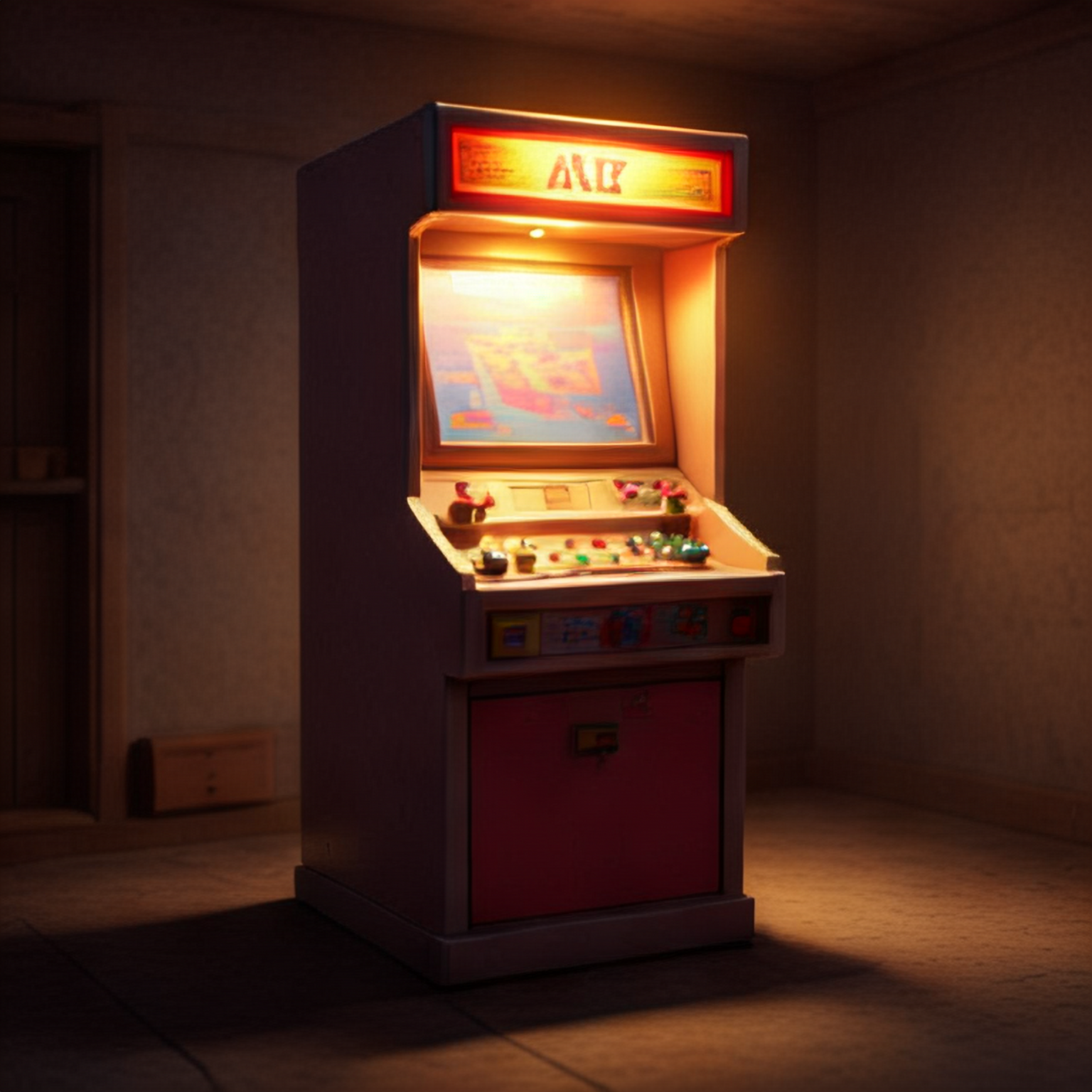
The games Daddy Danny plays are not normal games. They can’t be. Daddy Danny does not tolerate repetition. He does not tolerate predictability. He does not tolerate the feeling of having seen something before. And so, deep beneath the Palace of Content, ten thousand software developers work in rolling shifts to build his games in real time. They have no contact with the outside world. They sleep in pods. They are fed through tubes. Their sole purpose is to ensure that every moment of Daddy Danny’s gameplay experience is novel, surprising, and exactly calibrated to his preferences — preferences that change by the hour and are communicated through a system of colored lights mounted above each developer’s workstation.
Green means Daddy Danny is pleased. Yellow means he is bored. Red means someone on the content team is about to disappear. The lights are never off.
Third Paragraph
You are Developer 4,217. You have been underground for three years. You write procedural terrain generation for a game that has no name, no genre, and no design document. Yesterday you were building a fishing minigame. Today the lights went yellow and now you are building a cathedral that bleeds. You are very tired. You are very good at your job. And this morning, for the first time, you found a note wedged behind your monitor that was not part of any sprint planning document. It said: “The stream has a four-second delay. That’s enough.”
Daddy Danny is a dystopian strategy game about resistance from the inside. You manage your team of developers through an increasingly unhinged production cycle, hiding subversive code in the game-within-the-game while maintaining the appearance of perfect loyalty. Every asset you build, every system you design, every line of dialogue you write for Daddy Danny’s ever-shifting fantasy world is an opportunity — to embed a message, to smuggle information, to plant the seeds of something the regime’s content moderators won’t catch until it’s too late.
But the moderators are not stupid, and Daddy Danny himself is sharper than anyone gives him credit for. He didn’t hold power this long by missing details. The game tracks your exposure across multiple systems — code reviews, behavioral surveillance, mandatory enthusiasm assessments — and one wrong commit to the wrong branch will end everything. You are building a revolution inside a video game being played live by the most powerful man in the world, and sixty million people are watching.
The question isn’t whether you can change the game. The question is whether Daddy Danny is already playing you.
Media